LIGHTHOUSES

Lighthouses: Co-Creating Sustainable Cropping Systems Across Regions – Final Results

The CARINA Project reshaped European and Mediterranean agriculture by pioneering sustainable, diversified farming systems through its Lighthouse Concept Model. These Lighthouses served as regional innovation hubs where science met practice – connecting farmers, researchers and local stakeholders to co-develop, test and select innovative cropping systems centred on two promising oilseed crops: camelina and carinata.

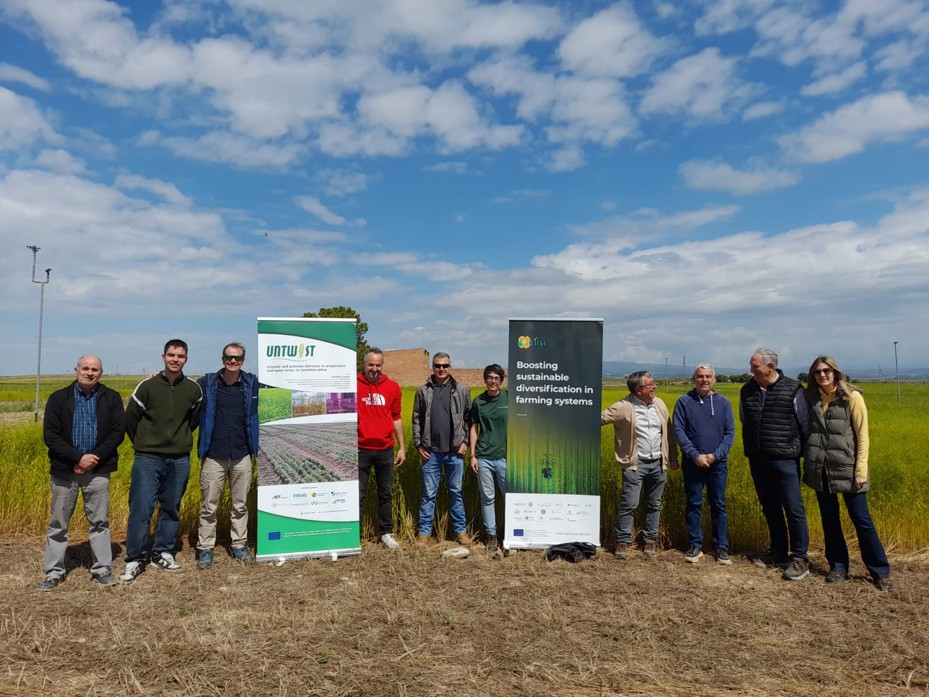
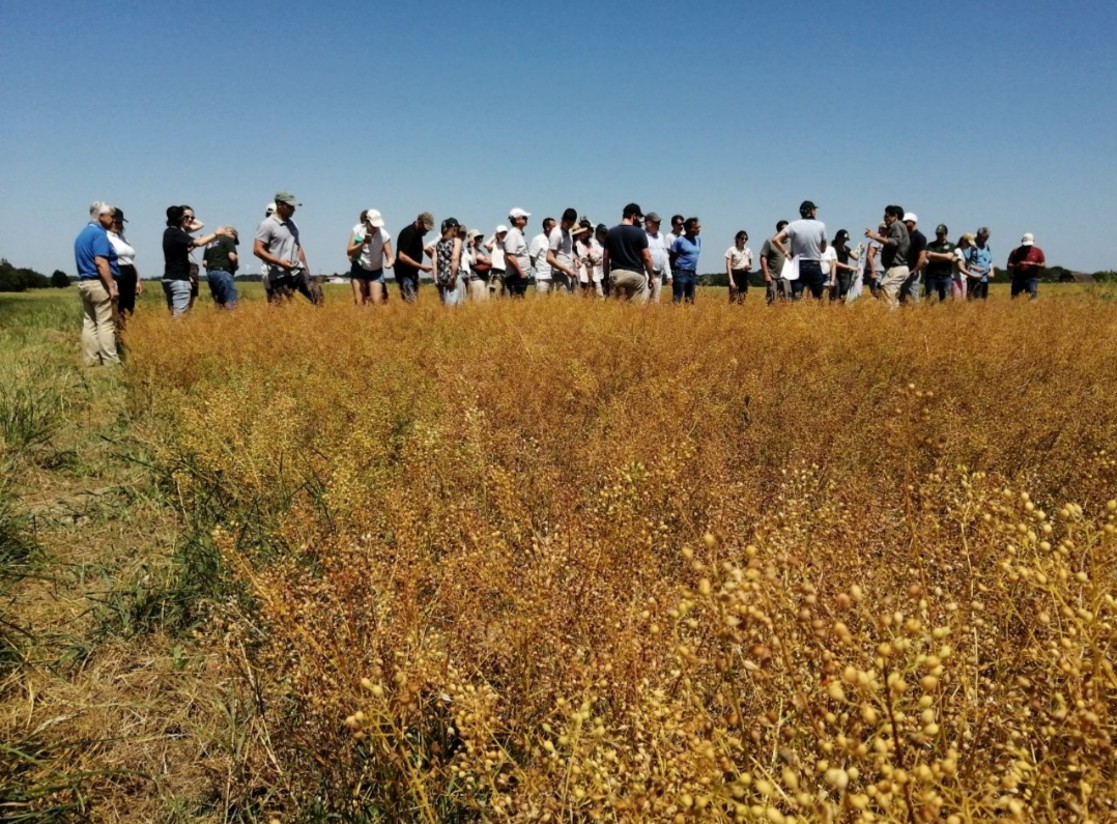
Lighthouse Lleida in Spain, 6th May 2025

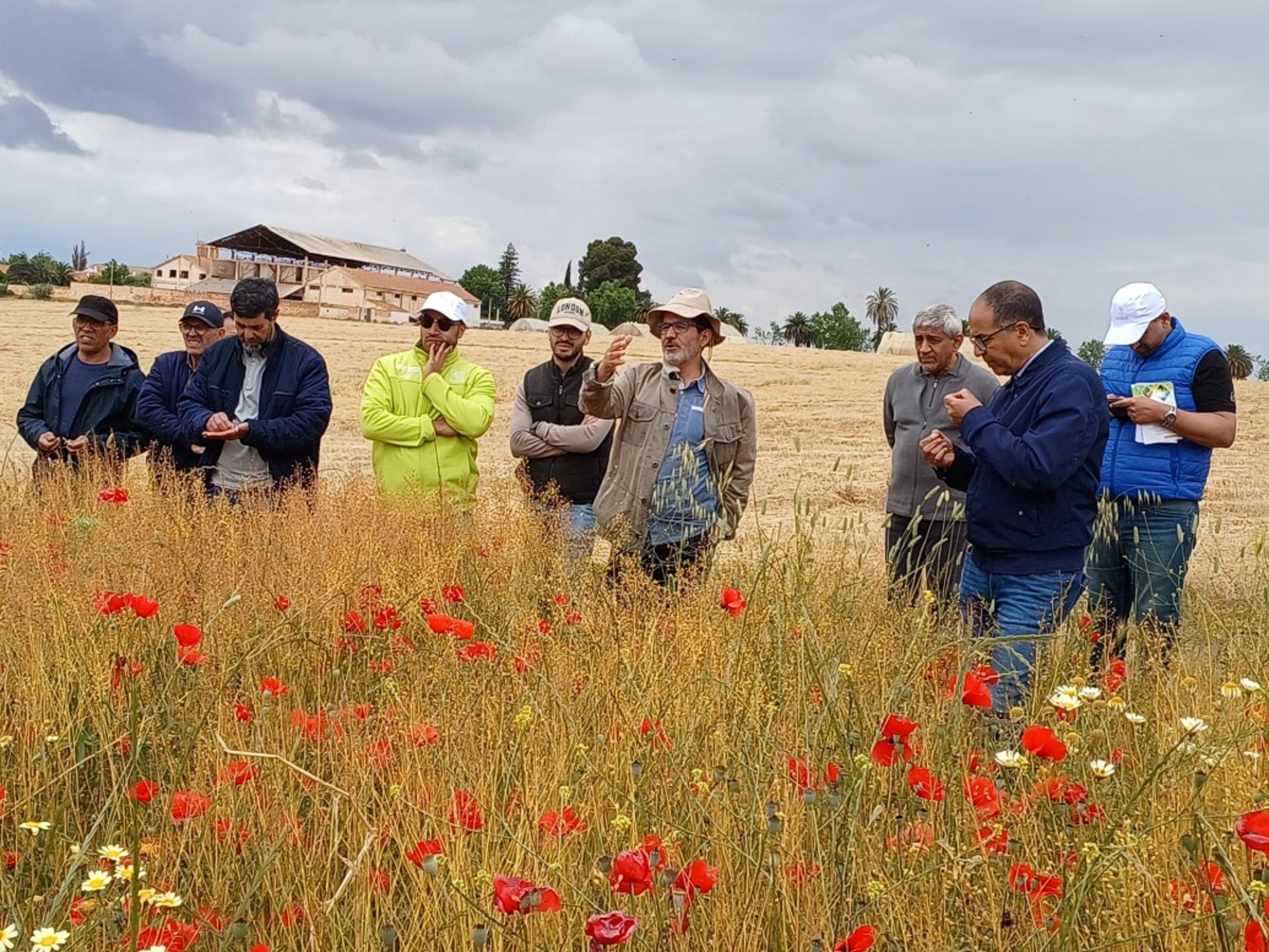
Lighthouse Marocco 14th May 2025

At each Lighthouse site, real-life experimentation was carried out to optimise sustainable farming practices that improve soil health, boost biodiversity and build climate resilience. These sites were more than demonstration fields – they were collaborative centres of knowledge exchange, where best practices were documented and shared across the CARINA community and beyond.

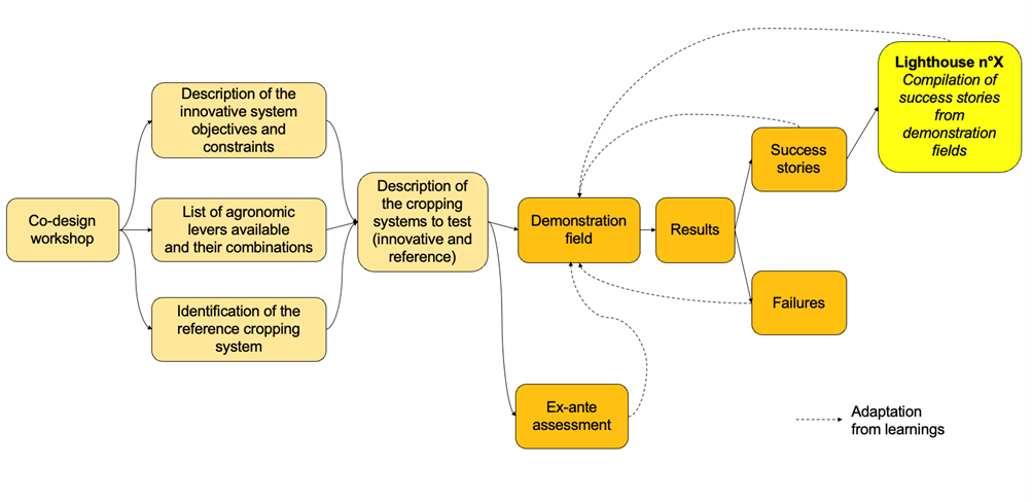
Lighthouse concept scheme

A Wide-Reaching Network

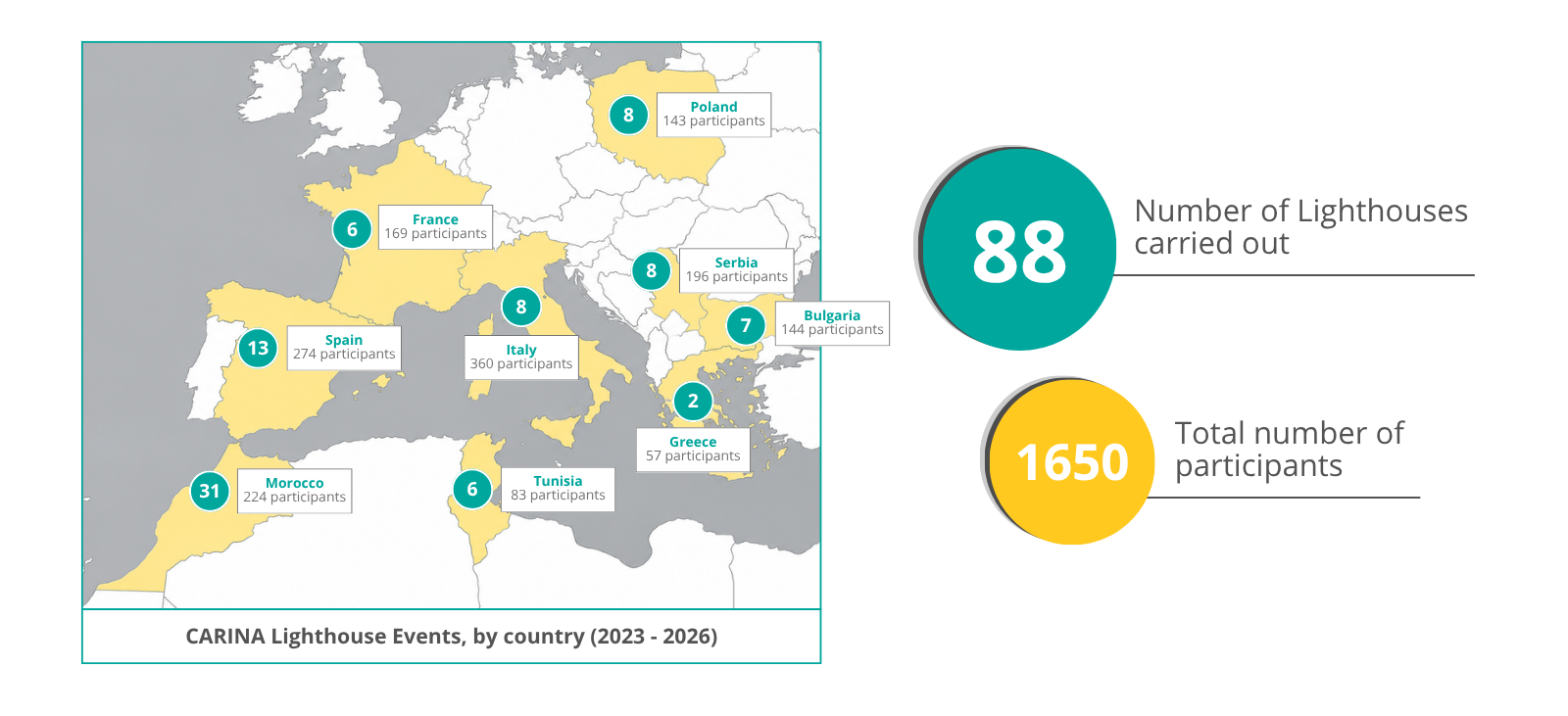
Between 2023 and 2026, CARINA partners implemented more than 88 Lighthouse events across the 9 participating countries – Bulgaria, France, Greece, Italy, Morocco, Poland, Serbia, Spain and Tunisia – gathering around 1,650 participants, from farmers and cooperatives to advisors, researchers, seed companies, processors and policy representatives.
Lighthouses map

Through a first round of co-design workshops, local partners identified the reference cropping systems and their main challenges in each region, from climate change and soil erosion to market volatility and dependence on external inputs. Building on these findings, partners tested three main strategies for introducing camelina and carinata into local systems: double cropping, intercropping (including relay cropping), and cultivation as a main crop on marginal land. Results and lessons from more than 400 demonstration fields and plots were shared and discussed at meetings, allowing each Lighthouse to refine its trials year after year.
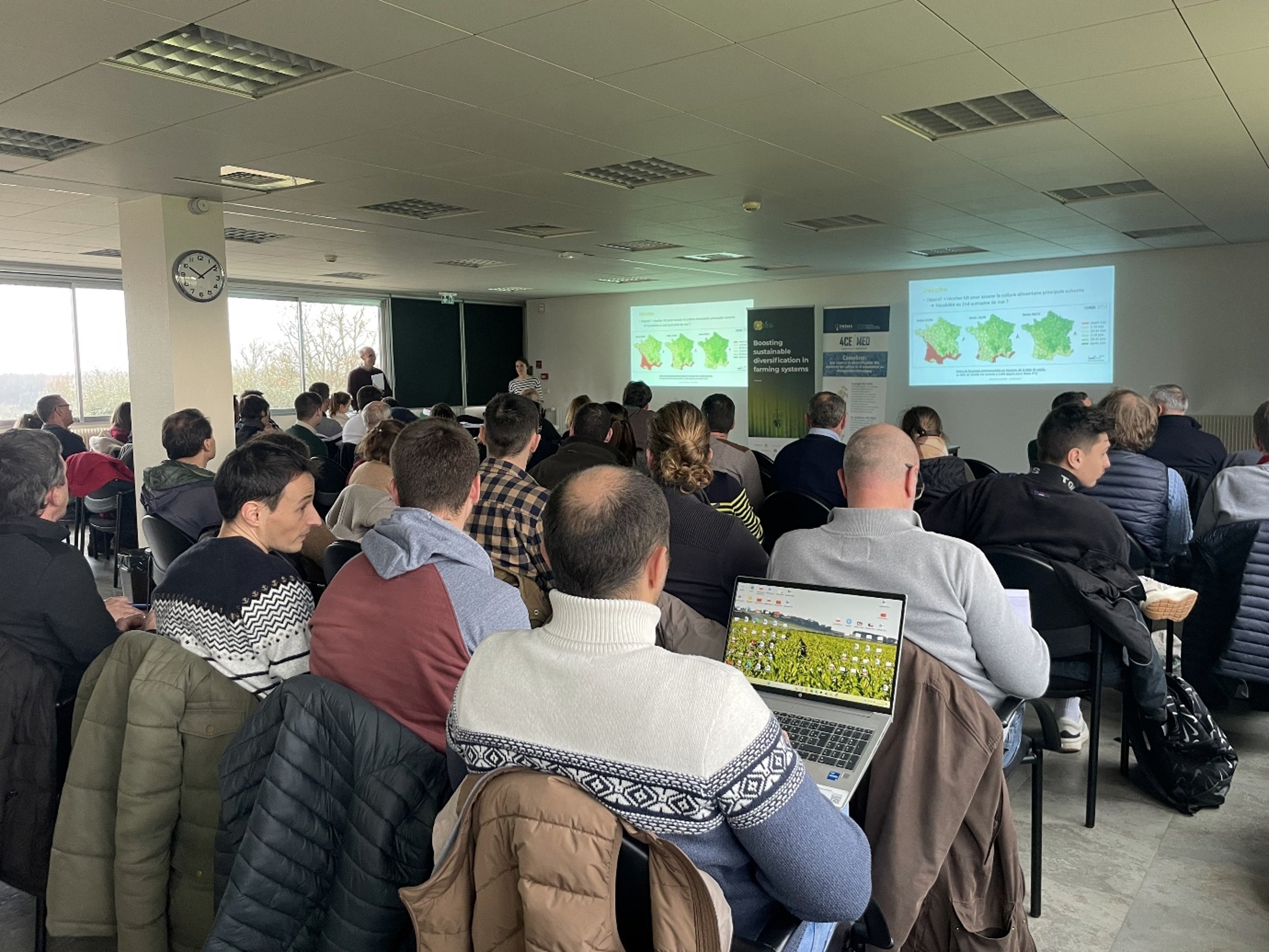
Lighthouse Baziège (Haute-Garonne), 13th March 2025

Key Results From the Final Phase

After three years of testing, each participating country selected at least one innovative crop succession best suited to its local context:

  • Camelina proved the most versatile crop, selected in 70% of the innovative crop successions retained by partners, thanks to its short cycle, low-input needs and ability to fit into a wide range of systems.
  • Winter camelina grown as a double crop was the most frequently selected system, adopted in six countries, typically ahead of a spring-sown crop such as sunflower or a legume. Across CARINA’s demonstration fields, winter camelina seed yields ranged from 0.10 to 2.40 t/ha, with the strongest results recorded in Spain, Greece, Serbia and Italy.
  • Carinata proved valuable for non-food oil and biomass, especially as a main crop on marginal land — reaching seed yields of up to 1.68 t/ha in Greek trials — but its longer cycle, cold sensitivity and stronger pest pressure made it harder to fit into tight double-cropping rotations.
  • Intercropping and cultivation on marginal or fallow land worked well for both crops in several countries, including Bulgaria, Italy, Poland, Serbia and Spain, offering a way to diversify rotations without displacing established food crops. Particularly promising combinations included camelina with barley, pea and lupin in Poland, and carinata with wheat in Greece and chickpea in Italy.
  • Some crop-management aspects, such as tillage, fertilisation and sowing density, were generally well mastered by the end of the project, while sowing date, weed control and harvest timing remain areas for further improvement, particularly where crop-specific herbicides are not yet registered.
  • Climatic variability — drought, heavy rainfall, frost and heat — emerged as the single biggest factor behind trial success or failure, reinforcing the need for site-specific management and continued variety adaptation.

Lighthouse Boigneville (Essonne), 12th March 2024

Lighthouse Nouzilly (Indre-et-Loire), 27th May 2026

Looking Ahead

The Lighthouse approach proved its value through its flexibility: while the overall method was shared across the Consortium, each country adapted the format, frequency and stakeholder mix of its workshops to local networks and constraints, while keeping farmers at the centre of every event. The success stories and remaining challenges identified across the nine Lighthouses will feed into further testing and into CARINA’s roadmaps and business-oriented approaches, supporting the wider adoption of climate-resilient, diversified cropping systems based on camelina and carinata across Europe and North Africa.

The Lighthouse activities demonstrated the value of the collaborative, multi-stakeholder approach in promoting the uptake of camelina and carinata across diverse regional contexts. The project confirmed the adaptability of both crops in various local conditions and cropping systems, highlighting their potential for low-input cultivation, double cropping, intercropping, and cultivation on marginal land. The experiences and success stories generated by the Lighthouses provide a strong foundation for the further development and wider adoption of innovative and sustainable cropping systems.

Have a question? Don't hesitate to contact us!

    Partners

    SUBSCRIBE TO A NEWSLETTER

    eu-flag-200x136

    Funded by the European Union

    Funded by the European Union. Views and opinions expressed are however those of the author(s) only and do not necessarily reflect those of the European Union or the European Research Executive Agency. Neither the European Union nor the granting authority can be held responsible for them.